
Portugal is a boring country when it comes to politics. On the periphery of Europe, with no significance in global affairs. It is a country you think of when planning a European vacation, not a sprawling political center of gravity.
And yet you found yourself clicking on this article. Why? Well, I guess you are either interested in my positions on prediction markets, or these elections aren’t so inconsequential after all? I do think so.
It is true that Portugal is not a country that comes to mind when thinking about main geopolitical events in this century. But it is a part of the EU, it also experiences the global move to the right. And in case the new right-wing wins, it can sabotage the inner workings of the EU. It can also destabilize NATO by refusing to collaborate on Ukraine.
By this definition every election in the EU countries is consequential. And it is - just look at Fico in Slovakia or Orban in Hungary. Both are a thorn in the EU’s side. And speaking of the latter, I am getting ready for the election in Hungary in April - Portugal can be a good test. So hop on and see if I got anything spicy out of this seemingly boring political stew.
The Political System
Before we go to the spicy stuff, it’s important to understand how Portugal’s political system works. It’s not a shocker as all European systems are similar with the core distinction being the power of the king / president vs the power of the prime minister.

In Portugal’s case the power is definitely tilted towards the prime minister and the legislature. The president has no executive powers, all of which lie with the government or with the parliament. When it comes to introducing new legislation he must either:
- promulgate,
- veto or
- send to the Constitutional Court.
However, his veto can be overturned with a simple majority. The president is also the supreme commander of the armed forces, but it is mostly a ceremonial title as it comes with no power when it comes to conducting foreign affairs.
However the president has one major power - he or she can dissolve the parliament at will (know as an “atomic bomb” in Portugal). Arguably a massive advantage that eg. the Polish president must envy now.
If I were to sum up the president’s role in governing the country, I’d call him / her a facilitator - while holding no real power, the president can either help govern or make it completely impossible.
Political Context
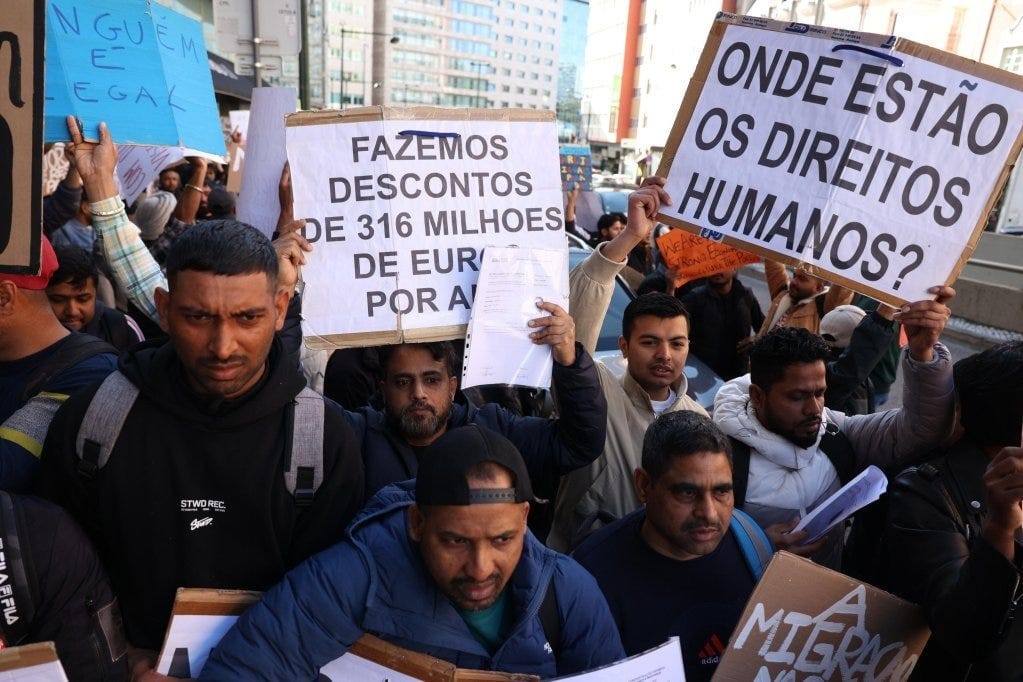
Portugal faces a classic European mix of an affordability crisis combined with huge migration problems. Migration is an especially important topic in the south of the country.
The country has experienced political turmoil - in the past 3 years there have been 3 snap elections to the parliament. The first one, in 2022, resulted from the socialist government not being able to pass the budget (the far-left block refused to back it). The second one, in 2024, resulted from a corruption probe into members of the socialist government, which led to the prime minister Antonio Costa’s resignation. The last one, in 2025, happened due to the “Spinumviva” scandal, which focused on then prime minister’s company Spinumviva and an apparent conflict of interest. A classic story of lucrative contracts with the government.
We now have a PSD (the main center-right party) minority government, that relies on the help of the far-right to effectively govern. And here we have our first piece of alpha - the country is tired of the old political class that changed places between each other in the last 3 elections, while underlying issues were not resolved. But first, the parties and the candidates.
Luís Marques Mendes (PSD)

Mendes represents the old center-right party, which has been one of the top 2 parties for the last 50 years or so (along with leftist PS party). Ex-PSD leader and a businessman, this is your bread and butter presidential candidate from the old school party.
I don’t think there is a use in writing anything about policies considering the limited power of the president. PSD is also the current ruling party.
Ultimately, this guy has a strong base of PSD voters combined with a rather weak popular support when we put his polling vs his party result from 2025.
Henrique Gouveia e Melo (Independent)

Independent candidate, admiral, was responsible for the COVID vaccination plan. A few months ago a strong favorite to win the election. But he based his campaign on attacking Mendes, which lost him a lot of support over the months.
Also COVID vaccinations were not as popular as Wikipedia wants us to believe, I believe he antagonized many people over this specific piece.
António José Seguro (PS)
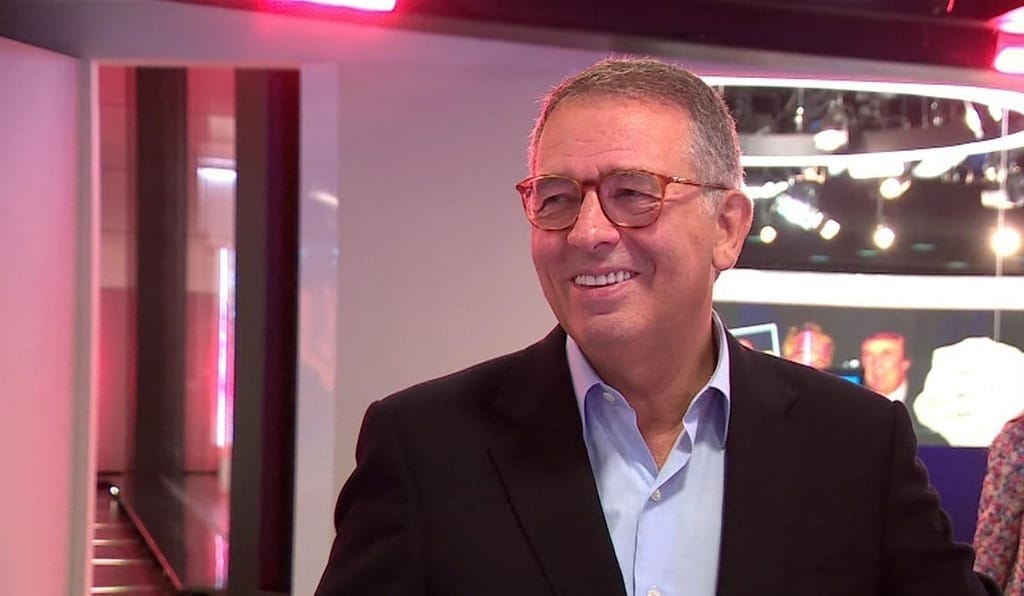
The opposition candidate. After days of research I can’t say anything about this guy that is somewhat relevant. Bland, but good enough - there is a case to be made, but it is not a hero story arc.
João Cotrim de Figueiredo (IL)
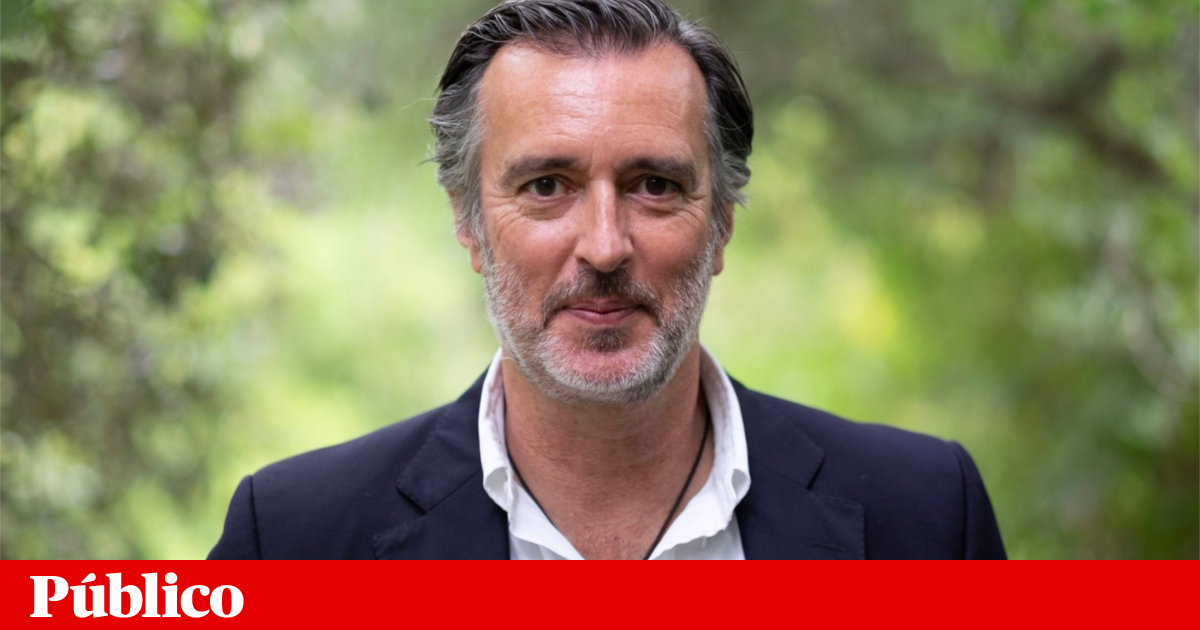
Up and coming candidate from the Liberal Initiative. One of the two main contenders to utilize social media to his advantage. Both economically and socially liberal, offers a fresh alternative to the establishment and polarizing Ventura.
André Ventura (Chega)
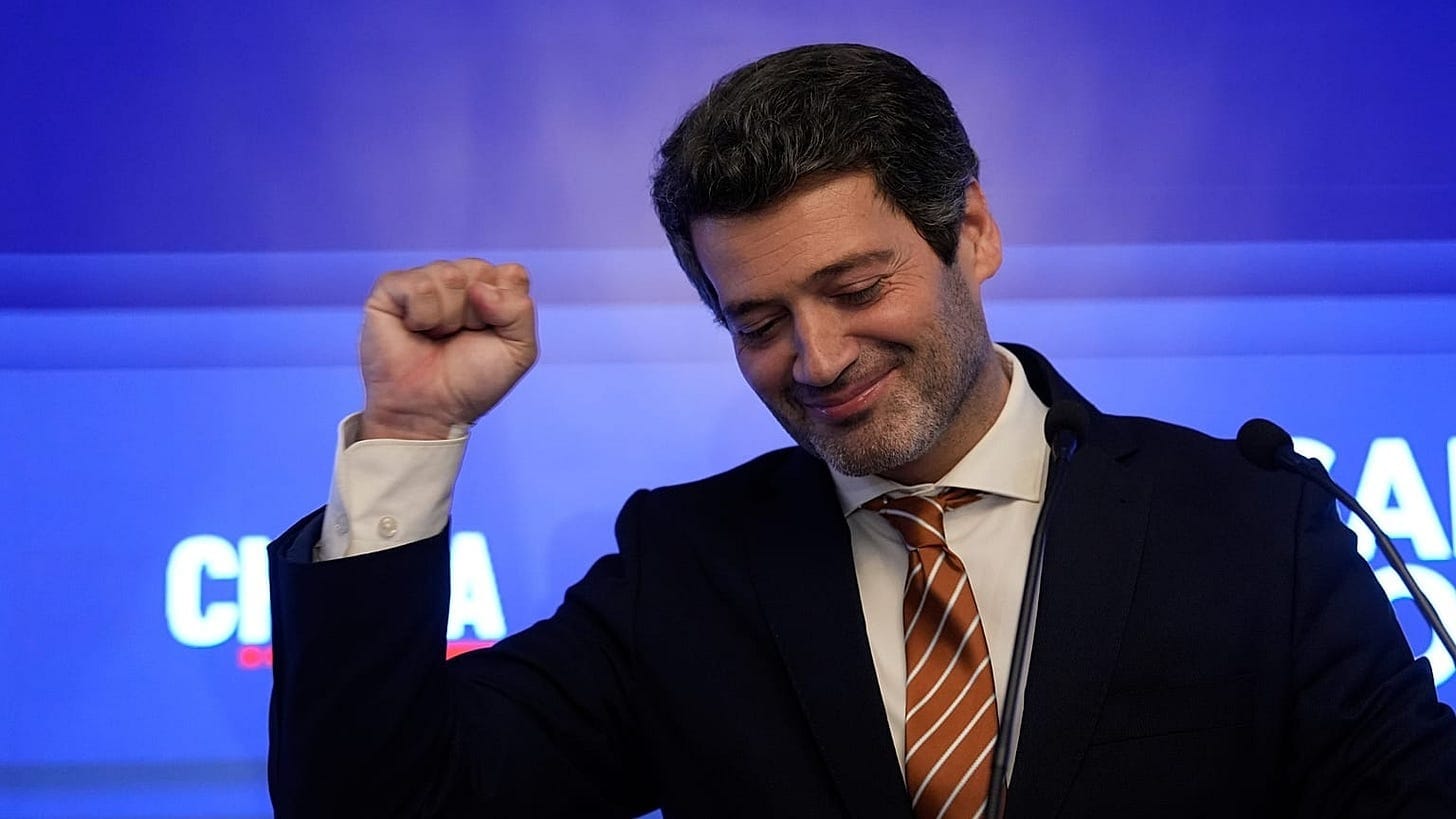
Chega leader. Chage is the Portuguese AfD / FN / Vox / Konfederacja / FdI, pick your poison. Anti-immigration, anti-EU, you know the mix. Very adept in utilizing social media, but with extremely strong views that alienate a very large chunk of European society.
Opinion Polling
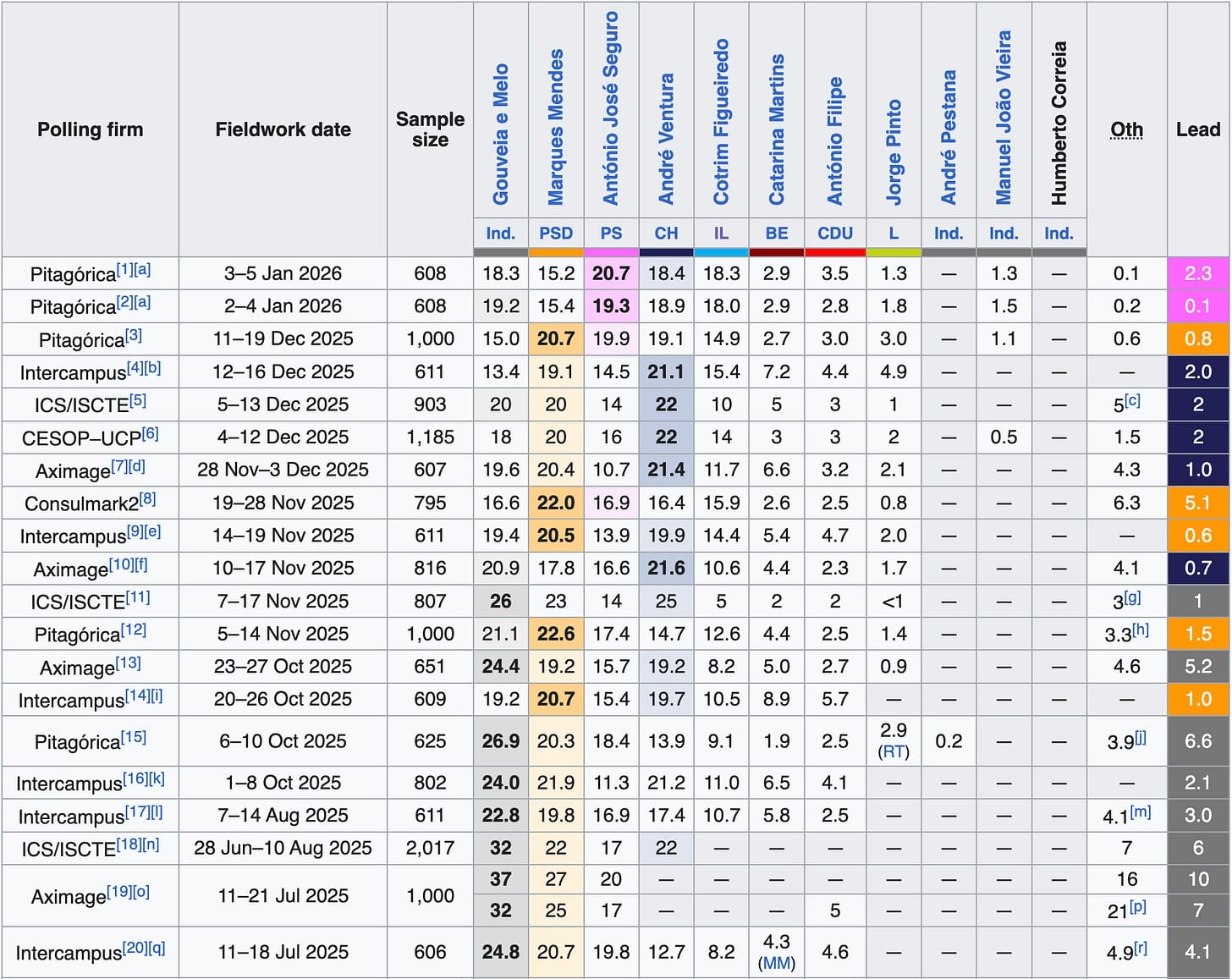
While polls tell us a story, it is not a definitive one. Looking 6 months back we can see how Melo lost his early advantage to Mendes. We can also see the rise of Ventura as well as Cotrim, with Seguro holding somewhat steady throughout the period.
Looking broadly at the polls, we have 5 candidates that are likely to succeed, with only 2 spots for the second round. And I know many traders die on the hill of polls, but when I see a situation like this, I mostly dismiss them. Considering the margin of error, as well as structural changes to the political party system in Portugal, there is no way these pollsters are weighing their raw data correctly. Their samples are most likely outdated and not representative of the population.
Cross tabs, while not always comparable on a 1:1 basis show significant differences between the pollsters. But they also offer valuable insights:
- One pollster established that while Ventura got the most votes for the best debates performances, he also got the most votes for the worst performances. Ca. 30% picked him as the best while 44% picked him as the worst. It is strongly indicative of a ceiling for Ventura, a phenomenon crippling all new right wing parties and candidates in Europe.
- Ventura loses every possible second round match-up. And this time the margin of victory (defeat?) is significantly larger than the margin of error. The ceiling from above prevents the Chega candidate from winning the popular vote. It’s simply too early for that.
- We should expect a relatively high turnout. While self-reported voting intentions are always significantly inflated, pollsters report between 75% and 90% turnout. Close to 50% looks doable.
Prediction Markets
My strategy for the election is simple. The first round is highly contested and there is a high chance the whole election will be decided on the 18th. Thus I’m backing the underdogs and opposing the leaders
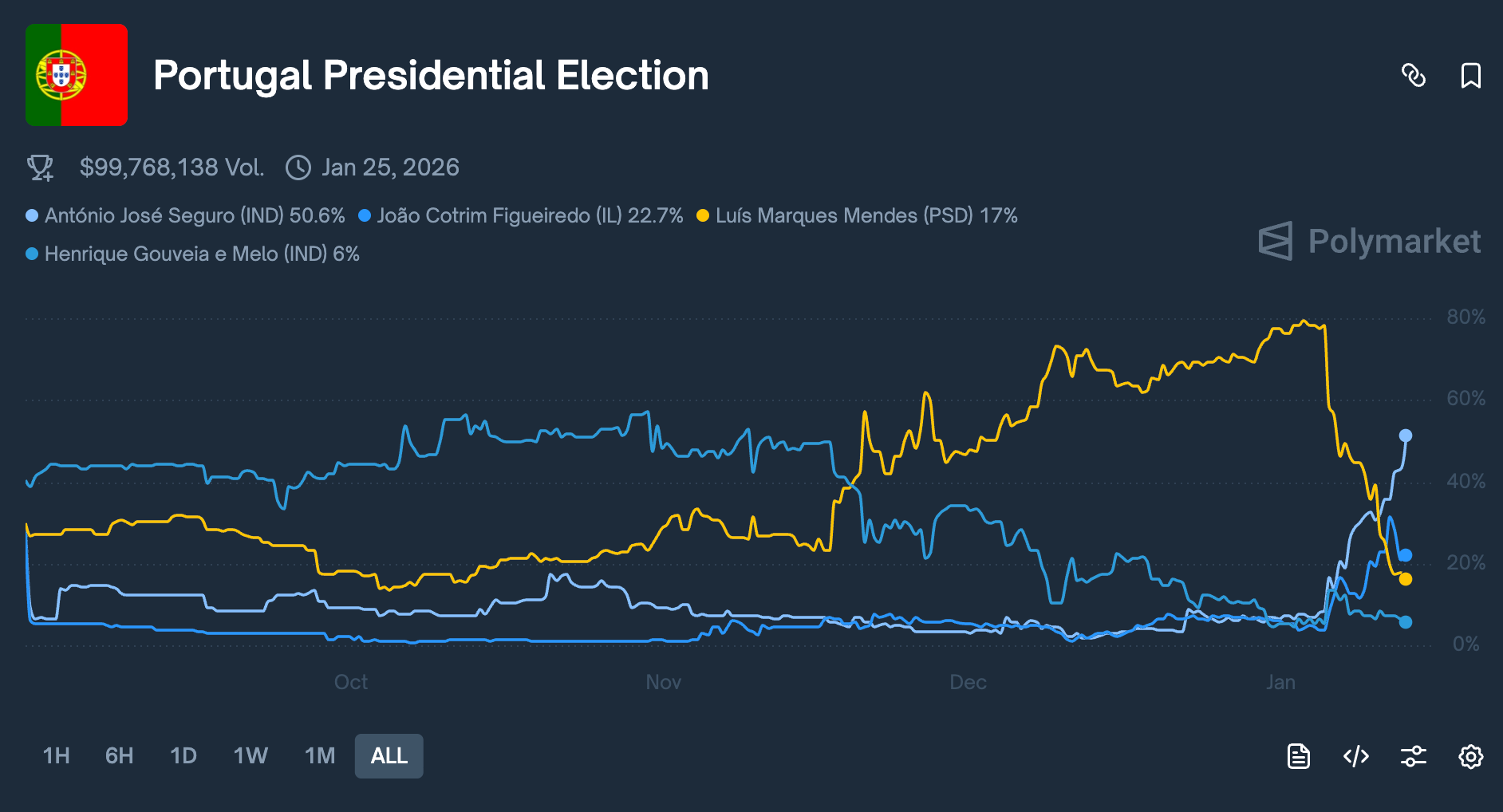
My first position is No on Ventura. I have around 9% of my portfolio allocated there as I agree with the pollsters that the ceiling prevents him from winning the popular vote anytime soon. Probably the only bond this election, outside of the necessity of round 2.
My second set of positions is backing the relative outliers
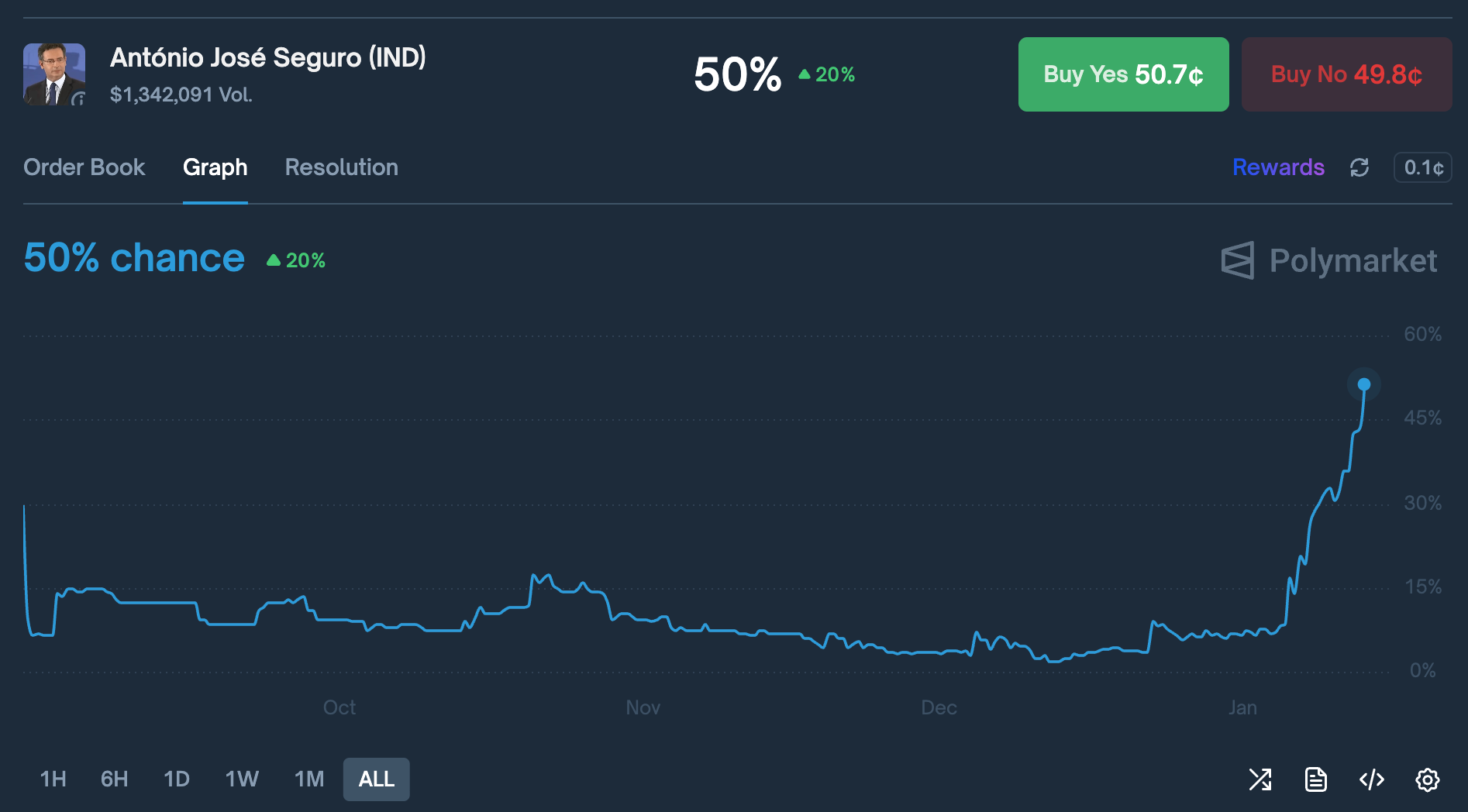
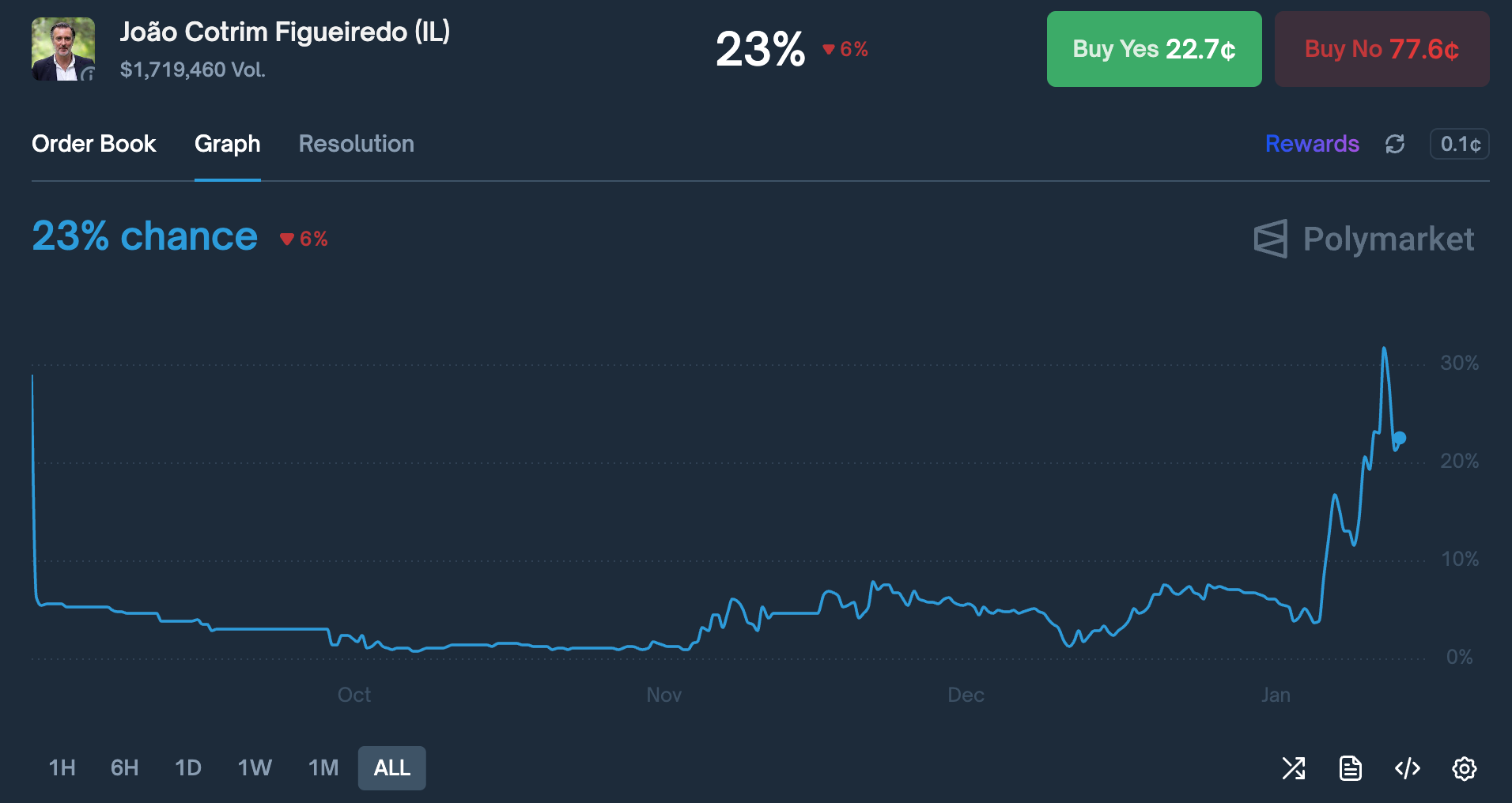
I got both at a lot lower prices (pre recent poll for CNN Portugal), but I still believe that especially Cotrim is a value bet now (I am a bit disappointed that I didn’t buy more though). My thesis for backing these two has 2 parts:
The first one is the polls - I don’t find them reliable vis a vis the closeness of the race. They are decent though on a longer time frame, where in aggregate they do capture trends. And Cotrim is trending upwards along with Ventura since the very beginning.
The reason they are rising is simple - the internet. These are the only 2 candidates than can utilize social media to their advantage. As one Portuguese journalist put it:
Cotrim and Ventura use the traditional campaign to make content for social media; others use social media to annoyingly publicize what they did annoyingly in the traditional campaign.
He is also likable, has popular ideas and is somewhat anti-establishment. But the core reasoning is around how he handles his campaign.
The second reason for Seguro, is that he wasn’t part of the whole negative campaign between Melo and Mendosa. He’s probably more lucky than smart though. First of all, both engaged in a negative campaign about each other because Portugal’s presidential elections almost always ended on round 1 - they expected that one of them would decisively win. Additionally, Seguro didn’t really run a great campaign, he just enjoys a base support from party base that happens to be around the threshold to advance to round 2. Thus my lack of enthusiasm in backing him.
At the current prices I wouldn’t back or go against Mendosa - my fair value is a range in his case. I wouldn’t also play with second round picks as I’m not confident enough with any candidate.
And when it comes to Melo, I won’t back someone who has such a downward trend in polls. But again, I wouldn’t oppose him at these odds - Ventura No for president is a lot safer bet for not far off worse odds.
Lastly there is a turnout market - it is skewed towards the higher read due to pollster data, but sadly the previous presidential election was an outlier (abysmally low turnout). Conducted during COVID, it offers little help in approximating current interest. This is also a market I am avoiding now - pollster don’t give me enough confidence to buy in the 90s while gut feeling is not strong enough to justify opposing in low 10s.
Wrap up
And that’s all for today. I hope you enjoyed this little escape from the geopolitical markets as I am about to flood you with such content considering Iran and Venezuela.
In the meantime though expect a video with 10 predictions for 2025 and daily commentary on X. Stay strong and see you soon!